Adaptive Algorithms Redefining Engagement in Portable Wagering: From Automated Reel Mechanics and Interactive Host Sessions to Event-Based Predictions, Layered Incentives, and Streamlined Monetary Channels
Jordan Schwarz · May 22, 2026
Adaptive Algorithms Redefining Engagement in Portable Wagering: From Automated Reel Mechanics and Interactive Host Sessions to Event-Based Predictions, Layered Incentives, and Streamlined Monetary Channels
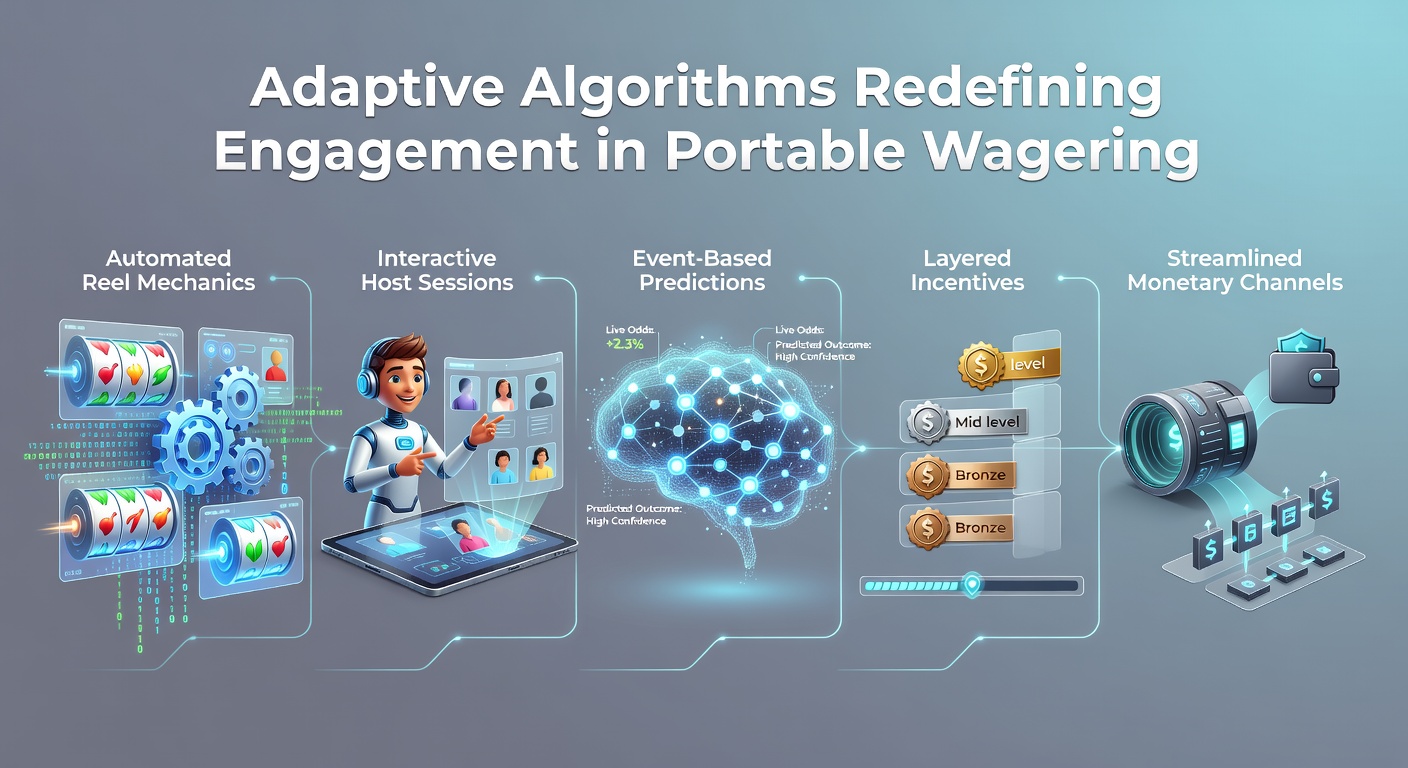
Portable wagering platforms now rely on adaptive algorithms that adjust game mechanics and user interactions in real time, and these systems have expanded across mobile devices since early 2025. Data from industry reports indicate that operators deploy machine learning models to track player patterns during reel spins, live sessions, and sports forecasts, which allows the software to modify difficulty levels, payout frequencies, and prompt timing without manual intervention.
Automated reel mechanics form one core application where algorithms analyze spin history and session duration to alter symbol distributions and bonus trigger rates. Studies from gaming technology firms show that such adjustments maintain engagement metrics while complying with jurisdictional return-to-player requirements, and operators in regulated markets report average session extensions of 15 to 20 percent after implementation.
Interactive Host Sessions and Real-Time Adaptation
Live dealer environments incorporate adaptive algorithms that monitor chat activity, bet sizing, and response latency to guide host behavior and camera angles. Those who operate these platforms note that the systems queue personalized greetings or side-game suggestions based on prior choices, which reduces drop-off rates during extended play periods. In May 2026 several major platforms rolled out updated models that integrate voice-tone analysis to shift game pace when players exhibit signs of hesitation.
Event-based predictions represent another growth area where algorithms combine historical performance data with live inputs to generate tailored betting prompts. Research published by academic groups at institutions such as the University of Nevada indicates that these models improve prediction accuracy for individual users by cross-referencing weather variables, injury reports, and market movements in sports events. Mobile applications present these forecasts through push notifications timed to coincide with peak user activity windows.
Layered Incentives Driven by Algorithmic Targeting
Layered incentive structures rely on adaptive systems that assign bonus tiers according to play volume, game variety, and retention signals collected over multiple sessions. Figures released by the American Gaming Association reveal that operators using dynamic reward engines record higher conversion from free-play offers to real-money deposits compared with static programs. The algorithms evaluate risk profiles to cap or escalate offers, which helps platforms meet responsible-gaming thresholds while sustaining revenue streams.
Streamlined monetary channels complete the engagement loop by routing deposits and withdrawals through adaptive payment gateways that select processing routes based on user location, transaction size, and historical success rates. Regulatory filings from the Nevada Gaming Control Board document reduced processing times averaging under four seconds for approved methods during 2026 testing phases, and similar efficiencies appear in markets overseen by the Australian Communications and Media Authority.
Integration Across Mobile Ecosystems
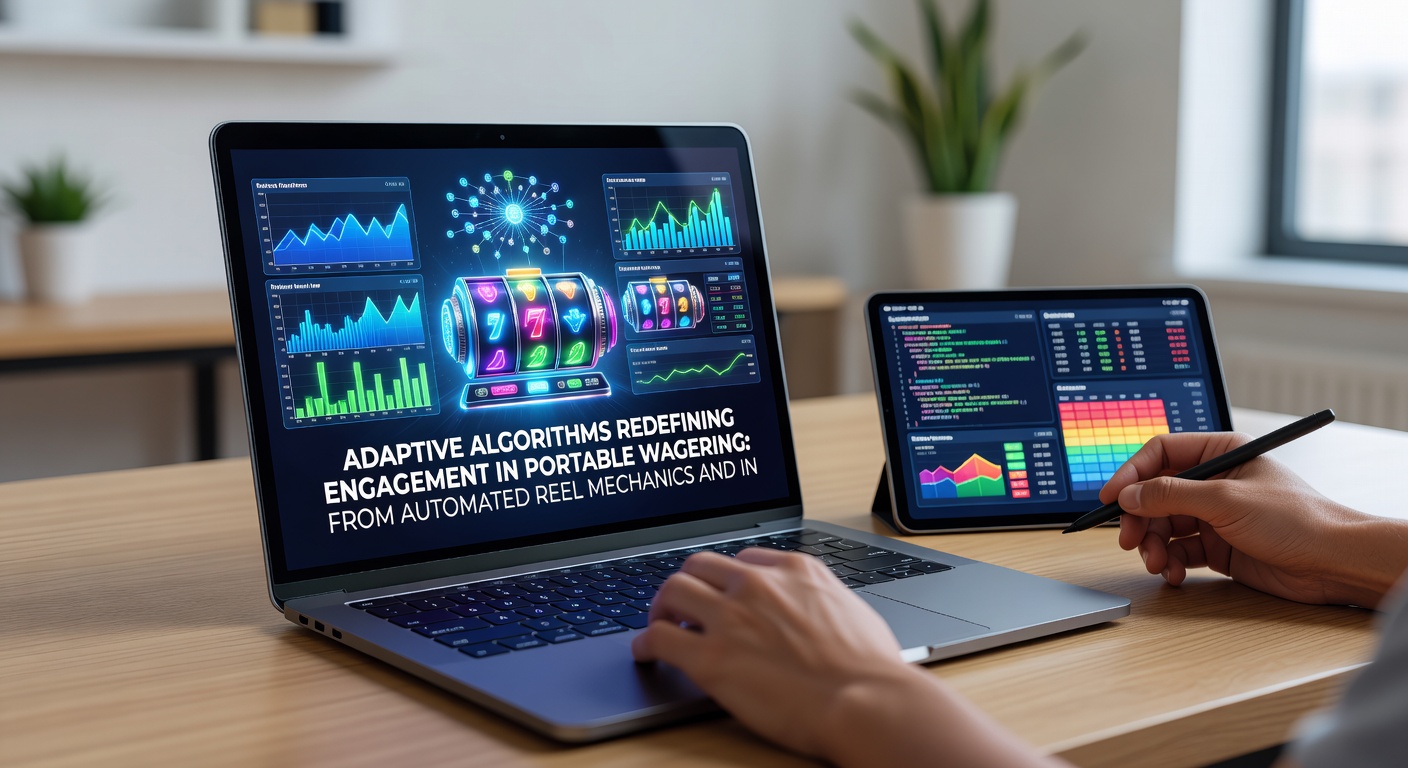
Observers note that the convergence of these algorithmic components creates continuous feedback loops across reel games, host interactions, prediction markets, and financial tools. A single user profile feeds data into multiple subsystems so that a high-frequency slot player might receive accelerated cash-out options alongside customized sports forecasts. Developers achieve this integration through modular APIs that update models weekly, and platform logs from May 2026 show measurable lifts in daily active users when all layers operate in coordination.
Security protocols embedded within the algorithms flag anomalous patterns such as rapid deposit sequences or unusual bet spreads, which triggers temporary holds or verification steps. Compliance teams at licensed operators use aggregated outputs from these systems to generate audit trails required by state and national regulators, and third-party testing laboratories confirm that the adaptive logic remains within certified boundaries.
Conclusion
Adaptive algorithms continue to reshape portable wagering by linking automated mechanics, host sessions, prediction tools, incentive layers, and payment pathways into unified mobile experiences. Industry data collected through 2026 demonstrate consistent gains in session metrics and transaction efficiency where these systems operate under established regulatory frameworks. Future updates will likely refine cross-platform synchronization while preserving compliance standards across jurisdictions.