Correlations Between Support Response Times and Progression Rates in Tiered Programs for Casino and Betting Applications
Jonas Roth · Jul 22, 2026
Correlations Between Support Response Times and Progression Rates in Tiered Programs for Casino and Betting Applications
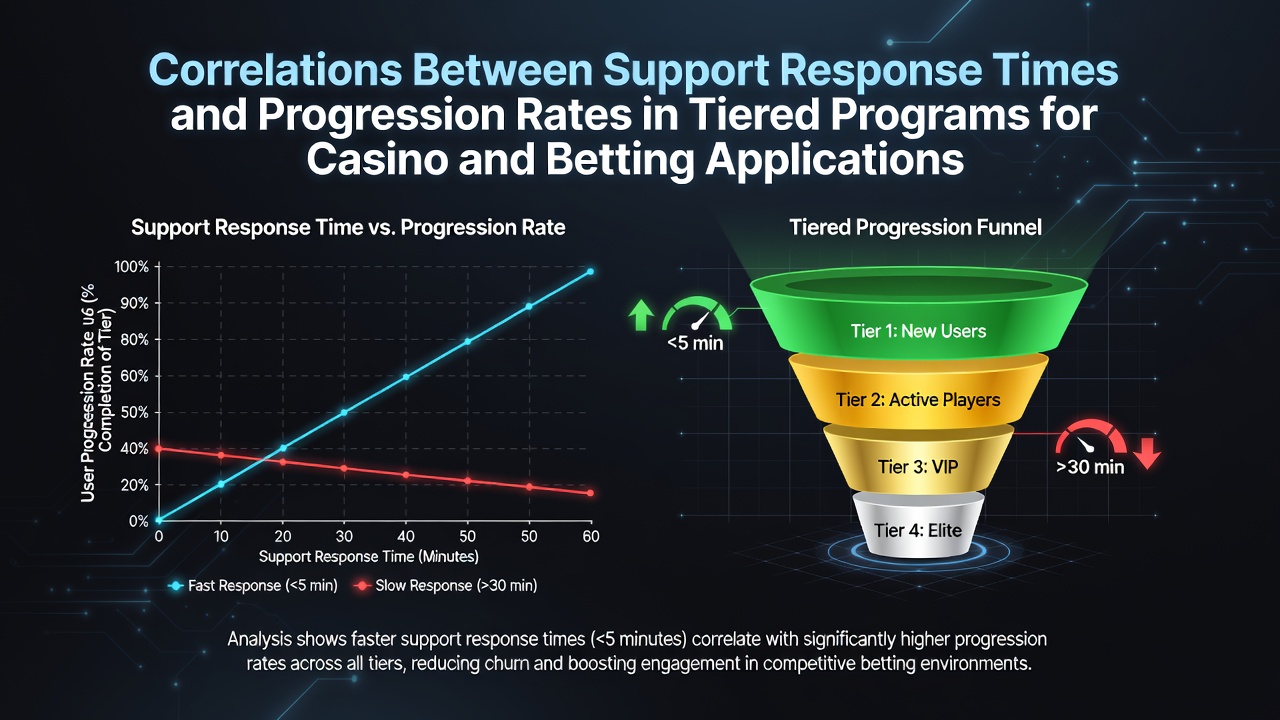
Data from multiple gaming operators indicates measurable links between how quickly support teams reply to user queries and the speed at which players advance through loyalty tiers in casino and betting platforms. Researchers tracking mobile and desktop sessions throughout the first half of 2026 recorded faster tier climbs when average response times stayed under four minutes. Slower replies correlated with stalled movement between bronze, silver, gold, and platinum levels across several major applications. Operators collect detailed logs that pair chat timestamps with tier upgrade dates. These logs reveal patterns where delays beyond eight minutes often coincide with reduced daily engagement and fewer completed challenges that award tier points. In contrast, systems using automated triage followed by live agent handoff within three minutes show higher completion rates for the same challenges.Measurement Methods Used by Operators
Platform teams measure support response through timestamped ticket systems and in-app chat archives. They cross-reference those figures against player activity feeds that record bets placed, bonuses claimed, and points accumulated. Analysts at several firms apply regression models to isolate response time as one variable among many that include deposit frequency, game selection, and notification settings.
Studies covering North American and European markets found that a one-minute reduction in median reply time aligned with a 7 to 12 percent increase in weekly tier-point earnings during the period from January through June 2026. The same models flagged device type and time of day as secondary factors yet still placed response speed among the stronger predictors.Regional Data Patterns Emerging in Mid-2026
Figures released by the New Jersey Division of Gaming Enforcement show that operators maintaining sub-five-minute average reply times recorded 18 percent more players reaching gold tier or higher compared with those averaging over nine minutes. Similar trends appear in reports from iGaming Ontario, where quicker support loops coincided with elevated retention inside tiered reward structures.
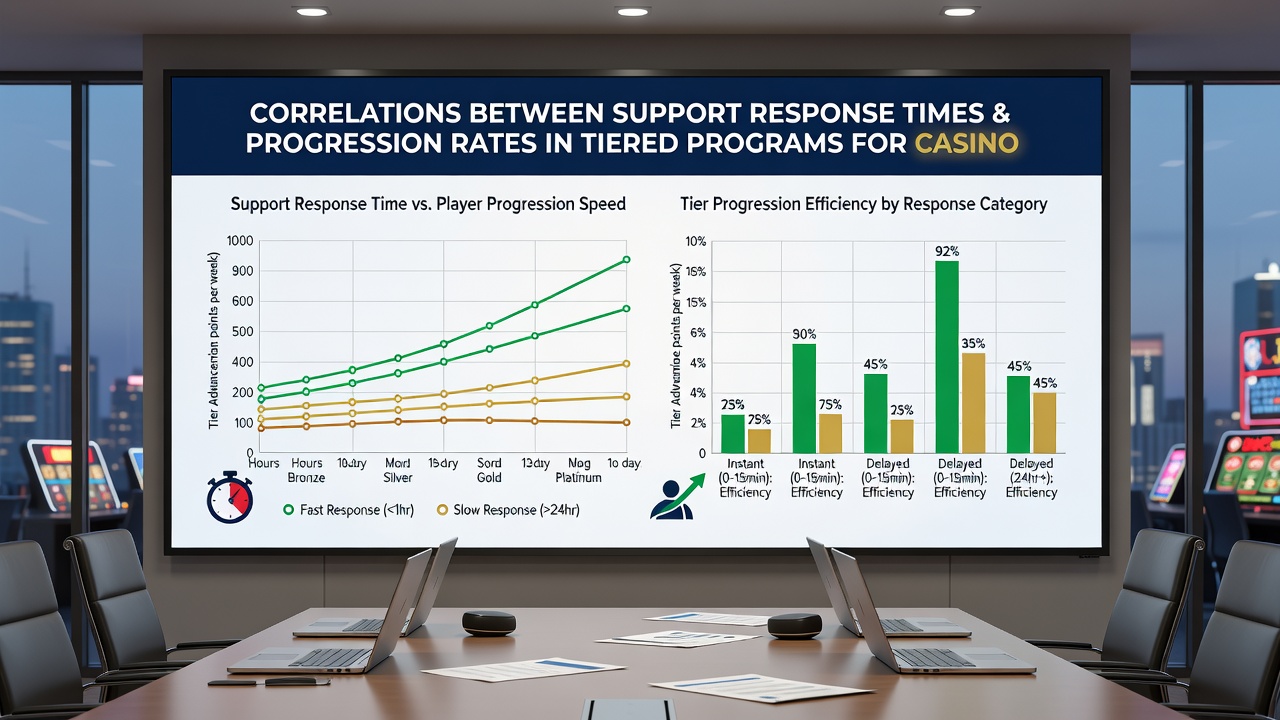 One research paper published through the University of Nevada, Reno examined six months of anonymized data from three separate betting applications. The authors noted that players who received replies inside two minutes completed 2.3 times as many loyalty missions as those waiting fifteen minutes or longer. The study also recorded that weekend evenings produced the widest gaps between fast and slow response cohorts.
Operational Factors Affecting Both Metrics
Staffing schedules, ticket categorization rules, and integration between chat tools and player databases all influence the observed correlations. Applications that route high-value tier questions to dedicated agents report shorter waits and steadier progression. Those relying on general queues without priority flags experience longer delays and flatter advancement curves.
Data from the European Gaming and Betting Association indicates that platforms adding AI-assisted suggestion tools before human escalation cut first-response times by roughly 40 percent between March and July 2026. Players using those platforms showed accelerated movement through early tiers, although the effect diminished once users reached platinum levels where manual verification steps increase.Player Behavior Observations Across Tiers
Observers tracking session lengths note that users stuck at lower tiers after slow support interactions tend to reduce both deposit size and play frequency. Conversely, those who receive rapid assistance often increase activity within the same day, accelerating point accumulation. These shifts appear consistent across slot-focused, table-game, and sports-betting environments.
Operators continue refining internal dashboards that combine support analytics with tier-progression heat maps. The resulting visualizations help identify which reply-time thresholds produce the clearest upticks in advancement velocity during different promotional windows.Conclusion
Available records demonstrate consistent statistical associations between support reply speed and tier-progression velocity in casino and betting applications. While causation requires further controlled study, the patterns documented through mid-2026 point to response time as a practical lever operators monitor when managing loyalty program performance across regions.