Examining Connections Between Financial Processing and Status Elevation in Electronic Entertainment Platforms
Jonas Roth · Jun 7, 2026
Examining Connections Between Financial Processing and Status Elevation in Electronic Entertainment Platforms
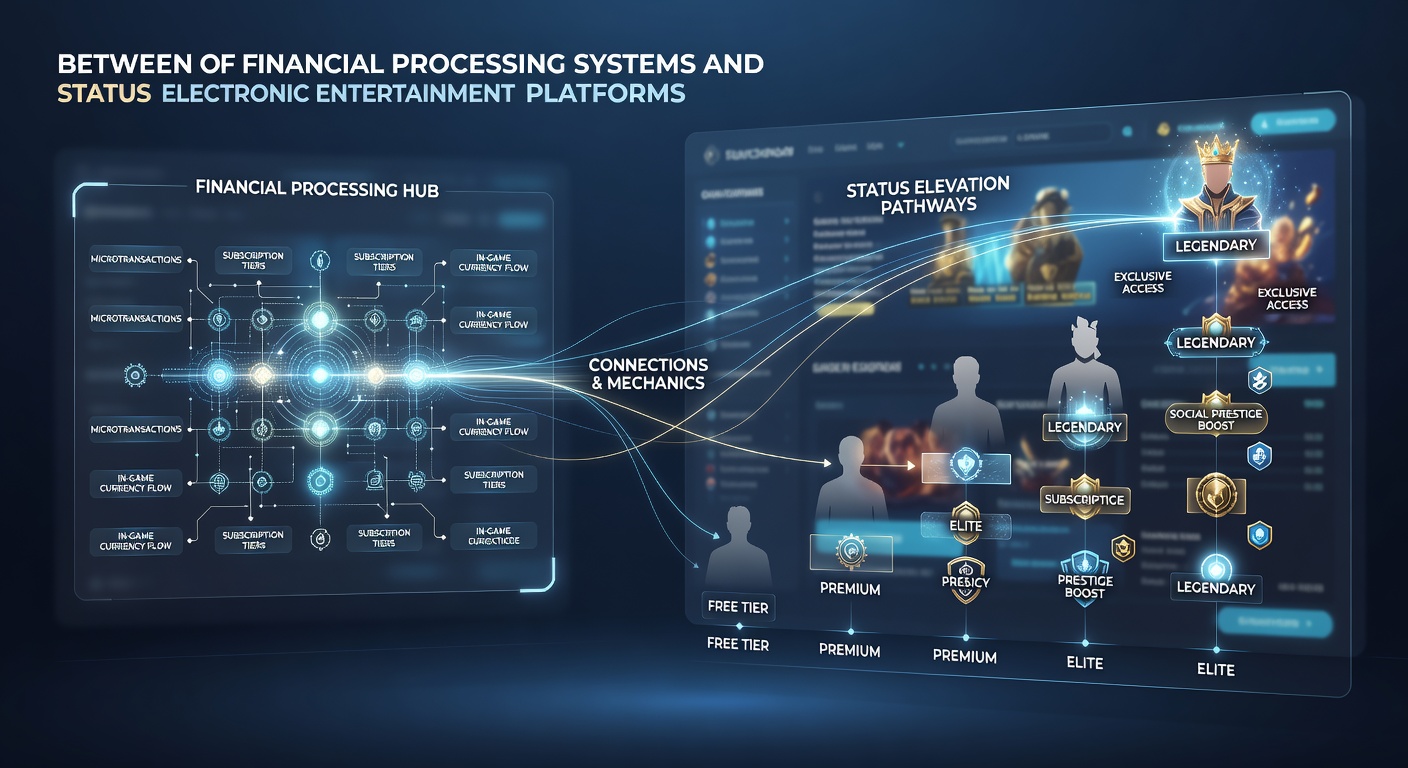
Financial processing systems in electronic entertainment platforms connect directly to status elevation mechanisms through transaction data, speed, and volume, and these links shape how users advance through loyalty structures in online casinos along with sports prediction tools. Observers note that platforms track payment patterns to determine eligibility for higher tiers, where rewards include personalized bonuses along with priority access, and this integration has grown more sophisticated by June 2026.
Transaction pathways serve as primary indicators for tier progression because consistent deposits and withdrawals signal engagement levels while also providing data points for algorithmic assessments. Research indicates that platforms employing instant processing options see faster accumulation of loyalty points, and this acceleration occurs because seamless fund movements reduce barriers that might otherwise stall user activity across reel spins, dealer sessions, and event forecasts.
Mechanics of Payment Integration in Tier Systems
Electronic platforms link financial gateways to recognition programs by converting transaction metrics into tier credits, and this conversion happens through automated systems that monitor deposit frequency along with total processed amounts over defined periods. Data shows that users completing multiple swift transactions within a month often qualify for mid-level status faster than those relying on slower methods, since the platforms reward velocity as much as volume in their calculations.
Adaptive algorithms analyze these financial flows alongside gameplay data, and they adjust tier thresholds dynamically based on patterns observed across wireless devices. Those who've studied these systems explain that a single high-value transfer processed through secure channels can trigger an immediate status review, whereas fragmented or delayed payments require extended tracking before elevation occurs.
Regional Developments Influencing These Connections
In Southeast Asia, regulatory updates through mid-2026 have clarified how financial processing standards affect access to tiered benefits on digital platforms, and this clarity stems from frameworks that emphasize transparent transaction reporting. According to reports from the Monetary Authority of Singapore, platforms must maintain audit trails that tie payment histories to loyalty milestones, which in turn influences how quickly users in the region move toward elite categories.
North American markets demonstrate similar patterns where state-level oversight requires detailed records of fund movements, and these requirements feed into status elevation protocols on entertainment platforms. The American Gaming Association has documented that integrated payment solutions correlate with higher retention rates among users advancing through loyalty layers, since efficient processing supports continuous participation without interruptions from verification delays.

Case Examples from Platform Operations
One platform operating across multiple jurisdictions automated its fund channels to sync with tier evaluations, and this change allowed users completing verified deposits to receive automatic point allocations that counted toward VIP thresholds. Observers tracking these implementations found that withdrawal speeds also played a role because platforms often require cleared transactions before confirming elevated status, which prevents disputes while maintaining system integrity.
Another instance involved a sports prediction tool where layered incentives activated only after users processed a minimum number of event-based wagers through approved gateways, and this structure encouraged steady financial activity that aligned with tier advancement goals. Researchers discovered that such conditional systems increased overall transaction volumes by aligning payment ease with recognition rewards.
Technical Factors Driving Elevation Pathways
Secure networks employing encryption and real-time verification reduce friction in financial processing, and this reduction directly supports status elevation because users encounter fewer holds that could interrupt their progress toward higher tiers. Platforms incorporating multi-currency support along with localized payment options expand accessibility, and they enable broader participation in loyalty programs across geographic boundaries.
Automated reconciliation tools match transaction records against tier criteria in near real time, and this matching process eliminates manual reviews that previously slowed elevation for many accounts. Evidence suggests that platforms prioritizing these technical upgrades experience steadier user movement through status levels since financial data flows uninterrupted into recognition algorithms.
Conclusion
Connections between financial processing and status elevation continue to define user trajectories on electronic entertainment platforms through data-driven linkages that reward efficient transactions with accelerated tier access. As systems evolve, these integrations rely on precise tracking of payment patterns alongside gameplay metrics, and they produce structured pathways that platforms refine based on operational data collected through June 2026 and beyond.