How Tiered Reward Structures Guide Exploration of Interactive Table Formats and Event Forecasting Tools on Handheld Platforms
Jakob Foster · Jul 17, 2026
How Tiered Reward Structures Guide Exploration of Interactive Table Formats and Event Forecasting Tools on Handheld Platforms
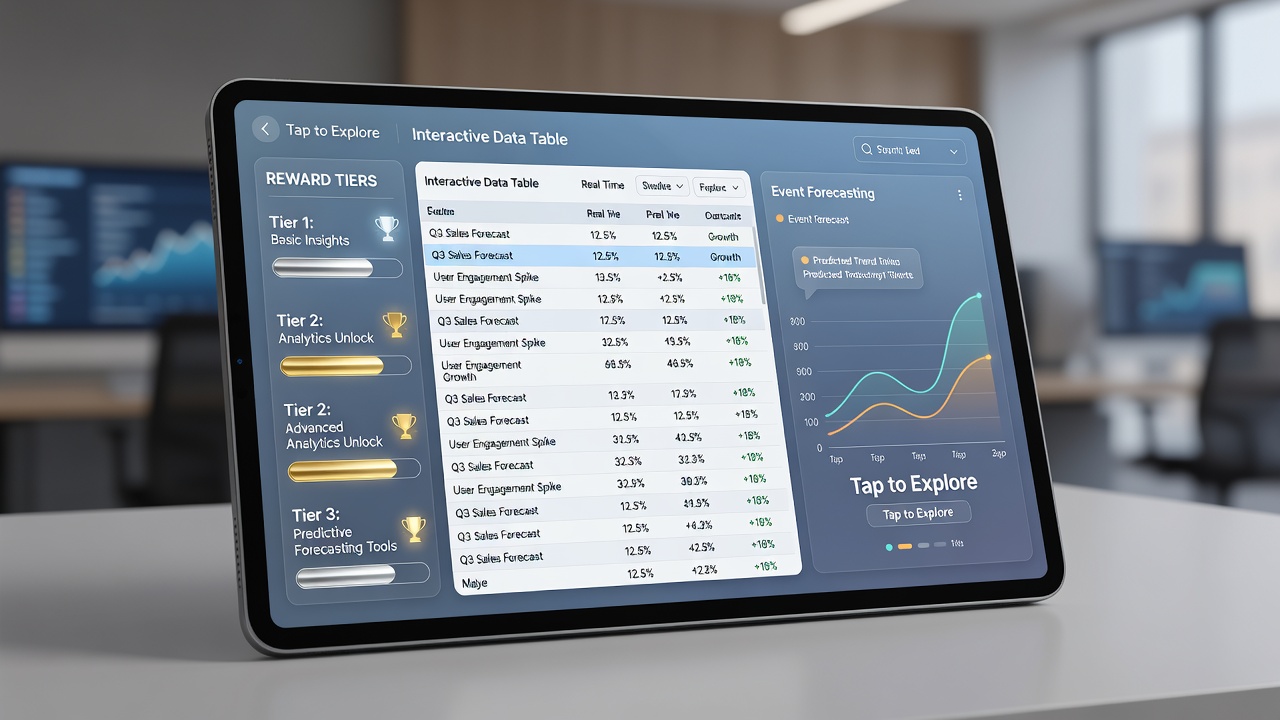
Data from handheld gaming platforms shows that tiered reward structures systematically direct users toward interactive table formats such as live dealer sessions and event forecasting tools that cover sports outcomes and other predictions, and these systems operate through progressive point accumulation that unlocks higher status levels with associated privileges.
Platforms implement these structures by awarding points based on wager volume and session duration, while users advance through bronze, silver, gold and platinum tiers that each provide escalating access to specialized game categories; observers note that this progression encourages participants to sample new formats rather than remain with familiar options.
Mechanics of Tier Progression on Mobile Interfaces
Handheld applications track activity across multiple game types and convert that activity into tier points according to predefined multipliers, so a player completing a series of table game rounds receives the same credit as equivalent activity in forecasting sections, yet certain platforms apply bonus multipliers when users explore previously untried categories. This design creates a feedback loop where initial participation in one area generates teh currency needed to unlock features in another.
Users at entry-level tiers typically encounter limited table selections and basic forecasting markets, yet advancement to mid-tier status reveals expanded live dealer tables with higher betting limits alongside detailed event prediction interfaces that include real-time odds adjustments. Research indicates that the visibility of these unlocks within the app interface prompts further engagement as participants seek to reach the next threshold before a monthly reset period.
Interactive Table Formats and Their Integration
Interactive table formats on handheld devices include real-time video streams of card and roulette tables that support chat functions and multi-camera views, and tier systems often gate advanced versions of these experiences behind status requirements. Data compiled through July 2026 reveals that platforms report increased session lengths once users gain access to premium table rooms that feature exclusive dealer interactions unavailable at lower tiers.
Event forecasting tools operate alongside these tables by offering markets on athletic competitions, political developments and entertainment outcomes, with tiered rewards directing attention toward these tools through targeted point bonuses for combined table and forecasting activity. One industry report highlighted that participants who reached gold tier status showed a measurable shift toward balanced activity across both categories rather than concentrating solely on slots or simple number games.

Evidence from Platform Analytics
Analytics shared by several major operators demonstrate that users who receive tier-based prompts to try new table variants complete an average of 35 percent more forecasting wagers within the same week compared with those who receive no such prompts. The American Gaming Association has documented similar patterns in aggregated mobile data, noting that structured incentives correlate with broader exploration across game libraries on portable devices.
Observers have recorded that platforms adjust point requirements seasonally to align with major sporting calendars, which in turn increases forecasting tool usage during peak event periods while simultaneously maintaining table game traffic through cross-category rewards. This coordinated approach prevents any single format from dominating user attention for extended periods.
Regional Variations in Implementation
Operators in different jurisdictions apply tier structures with slight modifications to comply with local regulations, yet the core mechanism of guiding exploration remains consistent. Australian regulatory filings, for instance, show that point expiration policies encourage consistent monthly activity across both table and forecasting sections, while certain North American state frameworks emphasize transparency in how rewards translate into access privileges.
Academic studies from university research groups have examined user navigation patterns and found that visual progress bars displayed on handheld screens increase the likelihood of users sampling at least one new table format and one forecasting market before the end of a given session cycle. These findings align with operational data released by platform providers through mid-2026.
Conclusion
Tiered reward structures on handheld platforms function as navigational systems that connect participation in interactive table formats with engagement in event forecasting tools through measurable progression metrics and unlockable features. Platform data through July 2026 continues to illustrate how these systems distribute user activity across categories while maintaining compliance with regional oversight requirements.