Regulatory Evolution in Southeast Asia Reshaping Access to Tiered Benefits in Digital Entertainment and Athletic Speculation Platforms
Willa Bennett · May 29, 2026

Regulatory Evolution in Southeast Asia Reshaping Access to Tiered Benefits in Digital Entertainment and Athletic Speculation Platforms
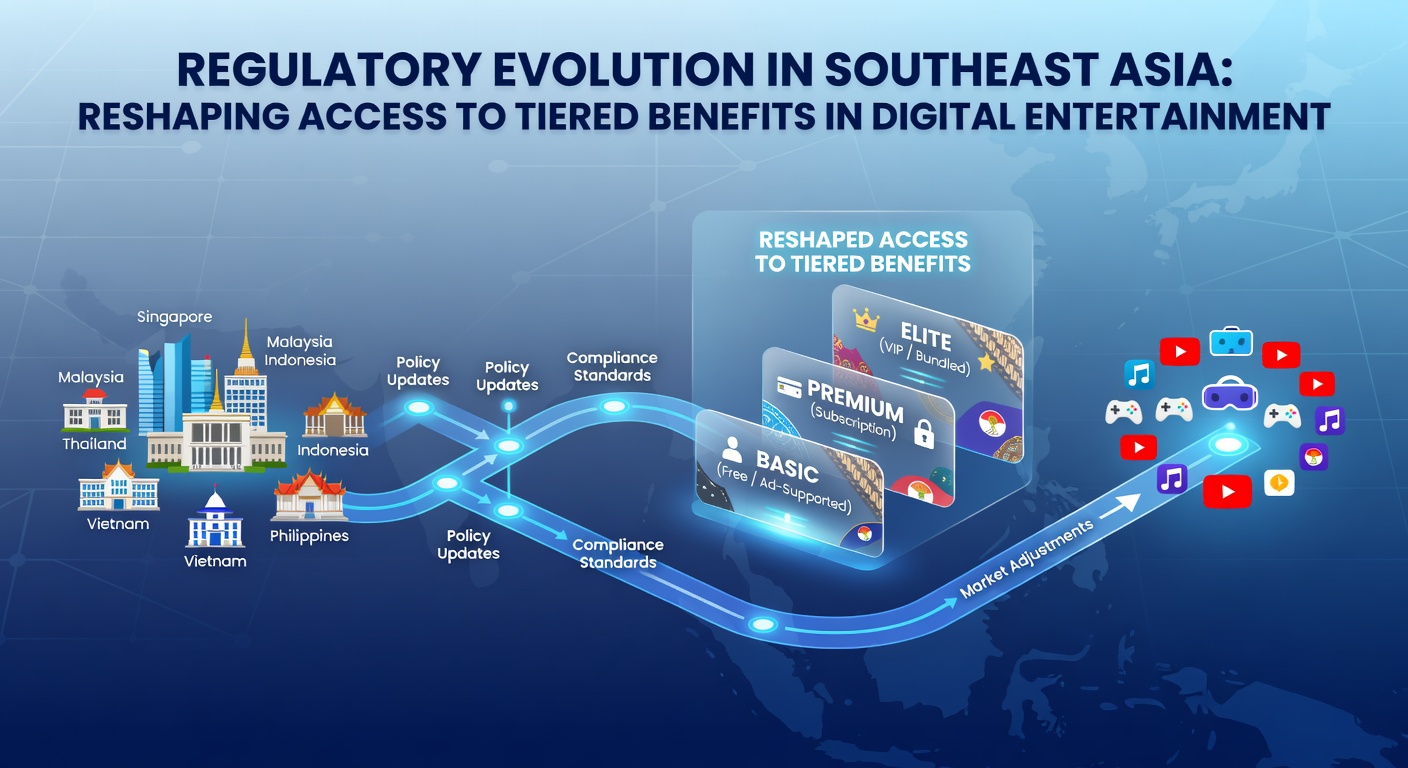
Regulatory frameworks across Southeast Asia have undergone notable shifts in recent years, with governments adjusting licensing, consumer protection, and financial oversight rules that directly influence how operators structure loyalty programs and tiered rewards in online gaming alongside sports wagering services. These changes affect everything from eligibility requirements for VIP levels to the distribution of bonuses and cashback incentives, creating new compliance layers that platforms must navigate while maintaining user engagement across mobile applications. Countries such as Singapore, Malaysia, the Philippines, and Vietnam have introduced or refined legislation that ties operator approvals to stricter standards on responsible gaming features and transparent reward mechanisms. Data from regional regulatory filings indicates that these adjustments often require platforms to implement verifiable age gates and spending limits before granting access to escalated benefit tiers, which in turn alters the pace at which users progress through loyalty ladders.Key Markets Driving Policy Adjustments
Singapore maintains one of the more measured approaches through its Infocomm Media Development Authority guidelines, which emphasize controlled expansion of remote betting options while mandating clear disclosures around promotional structures. Platforms operating under these rules must align their tiered recognition systems with audited fairness protocols, meaning participants reach higher reward brackets only after satisfying documented play thresholds that account for both frequency and expenditure patterns. Malaysia and the Philippines present contrasting trajectories, where state-backed licensing bodies have expanded remote access permissions yet imposed caps on certain incentive types to mitigate financial risk exposure. Observers note that operators in these jurisdictions now calibrate athletic speculation rewards differently from general entertainment offerings, often separating sports outcome forecasts into distinct loyalty streams that carry unique verification steps. Vietnam's evolving stance, updated through ministerial directives in early 2026, focuses on pilot programs that test digital platforms under supervised conditions, requiring real-time reporting of user progression metrics to central authorities. This setup influences how tiered benefits activate, since any reward escalation must demonstrate compliance with anti-money laundering checkpoints integrated into the software architecture.Effects on Loyalty Structures and User Progression
Tiered benefit systems in digital entertainment environments have adapted by incorporating mandatory cooling-off intervals between reward claims, a measure that regulatory updates in May 2026 reinforced across multiple jurisdictions. Athletic speculation platforms face parallel requirements, with data showing that operators must now segment betting history from casino-style activity when calculating qualification for exclusive perks such as personalized odds enhancements or accelerated withdrawal processing. Platforms respond by deploying modular loyalty engines that adjust eligibility criteria based on jurisdictional parameters, allowing seamless operation while preventing cross-contamination of reward pools. Research from industry monitoring groups reveals that user retention metrics remain stable when these segmented systems communicate tier status clearly through in-app notifications that reference specific regulatory references rather than generic promotional language.