Secure Transaction Networks Elevating Loyalty Tiers Across Digital Gaming Platforms
Nils Hansen · May 31, 2026
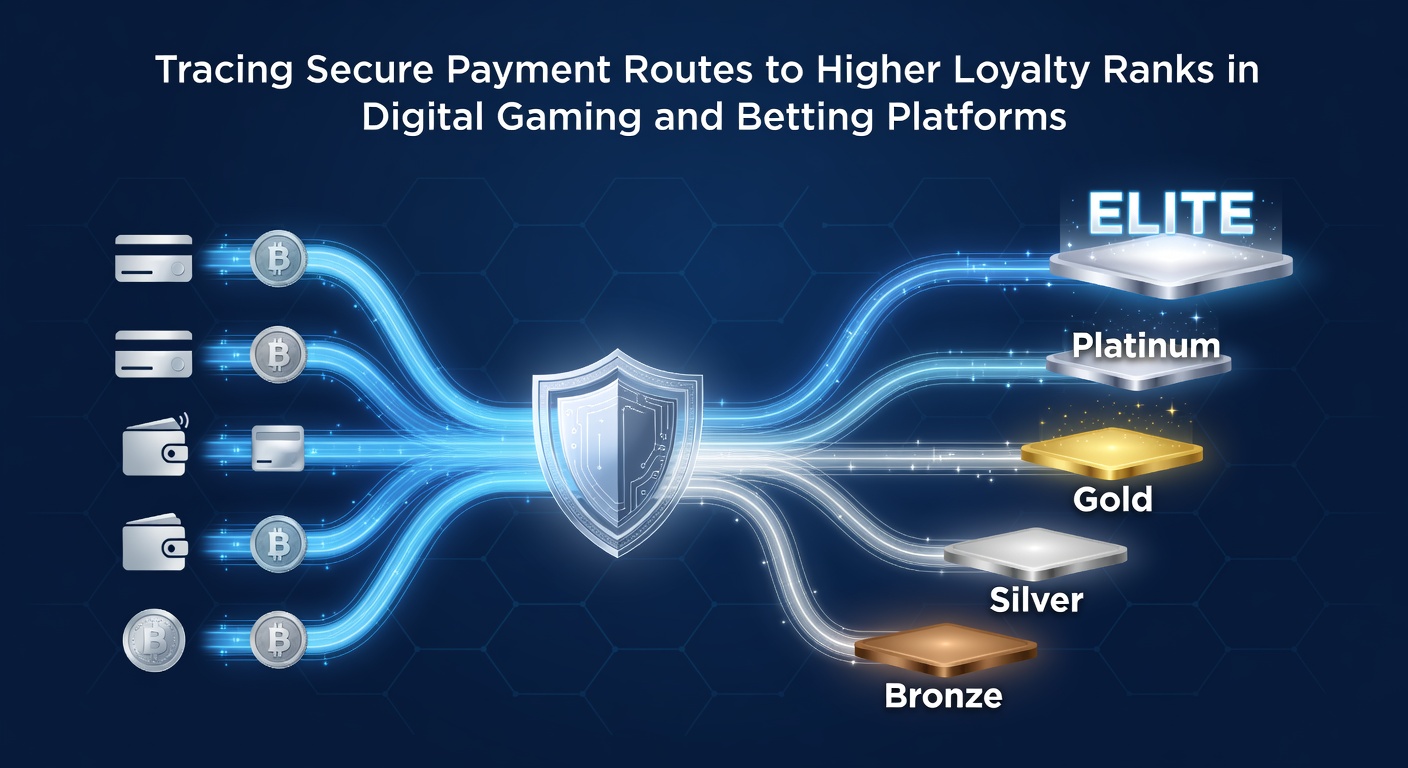
Secure Transaction Networks Elevating Loyalty Tiers Across Digital Gaming Platforms
Digital gaming and betting platforms continue to refine the connections between secure payment processing and loyalty program advancement, with transaction verification serving as a core mechanism for rank elevation. These systems rely on encrypted channels that authenticate funds movement while simultaneously logging activity toward tier thresholds. Observers note that platforms integrate these routes to ensure compliance alongside user progression, particularly as mobile adoption expands in various regions.
Mechanics of Payment Verification in Loyalty Systems
Payment gateways equipped with multi-layer encryption handle deposits and withdrawals while feeding data into loyalty databases. Each verified transaction triggers point allocation based on volume, frequency, and payment method stability. Those who study platform architecture find that real-time authentication reduces processing delays, allowing users to accumulate credits toward silver, gold, or platinum ranks without interruption. Data from industry reports shows that platforms employing tokenization see higher completion rates for repeated deposits, which directly correlate with faster tier climbs.
Security protocols such as end-to-end encryption and biometric confirmations add checkpoints that platforms use to validate user identity during high-value transfers. Researchers at institutions tracking digital finance observe that these measures also prevent chargebacks that could reset loyalty progress. In practice, a completed deposit through an approved channel registers points instantly, whereas delayed or flagged transactions may require manual review before rank advancement proceeds.
Regional Developments Shaping Payment-Loyalty Integration
Markets in North America demonstrate steady growth in secure mobile payment options tied to loyalty frameworks. Figures from the American Gaming Association reveal increased digital wagering volumes through verified channels during early 2026, with many operators linking these flows to automated tier upgrades. Platforms operating under state regulations in places like New Jersey and Pennsylvania maintain audit trails that connect each transaction to loyalty ledgers, ensuring transparent progression metrics.
Asia-Pacific operators follow similar patterns, incorporating local digital wallets and bank transfers into loyalty engines. Regulatory bodies in Singapore have documented how verified payment routes support player retention programs, with data indicating that users completing multiple authenticated transactions reach higher benefit levels at accelerated rates. These integrations allow platforms to offer tier-specific perks such as reduced withdrawal fees or priority access to events once loyalty milestones are confirmed through secure pathways.
Case Examples of Route Tracing and Rank Advancement
One documented approach involves platforms mapping payment origins to specific loyalty actions. A deposit originating from a certified e-wallet travels through monitored nodes that log timestamps and amounts, then converts those records into loyalty credits. Experts tracking these flows report that consistent use of the same verified route builds a reliability score, which some systems factor into faster rank qualification. In May 2026, several operators updated their systems to include predictive analytics that forecast when users might hit the next tier based on ongoing transaction patterns.
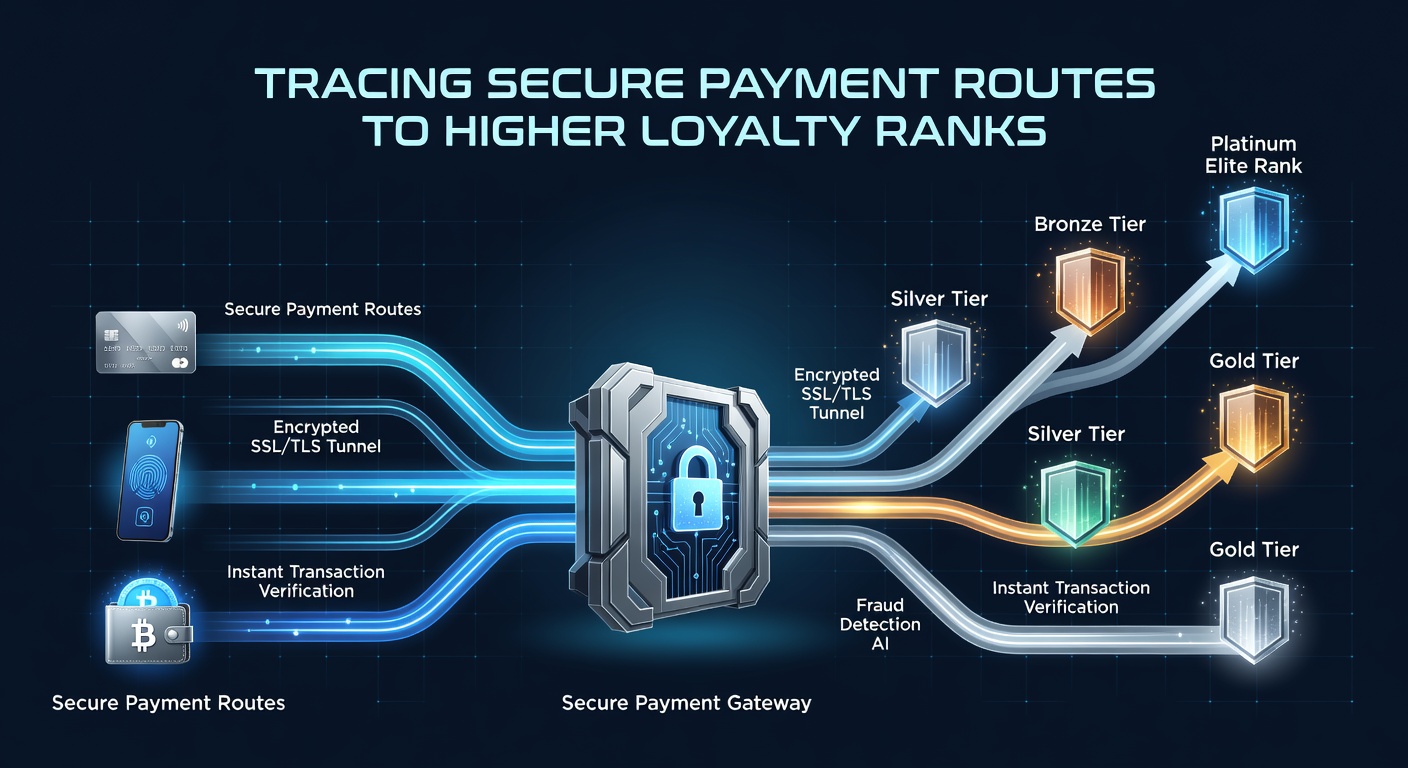
Another pattern appears in sports prediction platforms where live event bets processed through secure APIs feed directly into loyalty accumulators. Users completing a series of authenticated wagers during major tournaments often cross into elevated ranks within the same session cycle. Industry analyses highlight that platforms employing blockchain-based verification for certain payment types reduce disputes, thereby preserving accumulated points and enabling uninterrupted advancement through the loyalty structure.
Technical Safeguards Supporting Continuous Progression
Advanced fraud detection algorithms scan payment routes in real time, flagging anomalies while permitting legitimate flows to continue uninterrupted. This balance allows loyalty systems to award points without pausing for extended reviews. Data indicates that platforms combining artificial intelligence monitoring with traditional encryption maintain higher user retention across loyalty tiers. Those examining system logs find fewer interruptions in rank progression when payment security operates seamlessly alongside point-tracking software.
Multi-factor authentication remains a standard requirement for accessing higher-value transactions that contribute substantially to loyalty totals. Platforms enforce these steps at tier thresholds, requiring additional verification as users move from basic to premium ranks. Such requirements protect both the operator and the participant, ensuring that only confirmed activity counts toward milestone achievements.
Future Trajectories for Integrated Payment and Loyalty Frameworks
Emerging standards around digital identity verification promise further streamlining of payment-to-loyalty connections. Regulatory updates anticipated later in 2026 may standardize certain security benchmarks across jurisdictions, potentially allowing cross-platform loyalty transfers through authenticated channels. Observers tracking these developments note that standardized verification could reduce redundant security checks, letting users maintain momentum toward higher ranks even when switching between operators.
Research from academic centers studying digital economies continues to examine how secure payment infrastructure influences long-term engagement metrics in gaming environments. These studies track variables such as transaction success rates and their correlation with tier retention, providing operators with evidence-based adjustments to their systems.
Conclusion
Secure payment routes function as foundational elements within loyalty architectures on digital gaming and betting platforms. Encrypted verification processes, regional regulatory alignments, and real-time monitoring collectively enable users to advance through rank structures based on authenticated activity. As platforms refine these integrations through 2026, the pathways between confirmed transactions and loyalty milestones continue to evolve in measurable, documented ways.