The Intersections of Financial Gateway Innovations and Tiered Recognition Systems in Electronic Gaming Halls and Athletic Outcome Speculation
Nils Hansen · May 24, 2026
The Intersections of Financial Gateway Innovations and Tiered Recognition Systems in Electronic Gaming Halls and Athletic Outcome Speculation
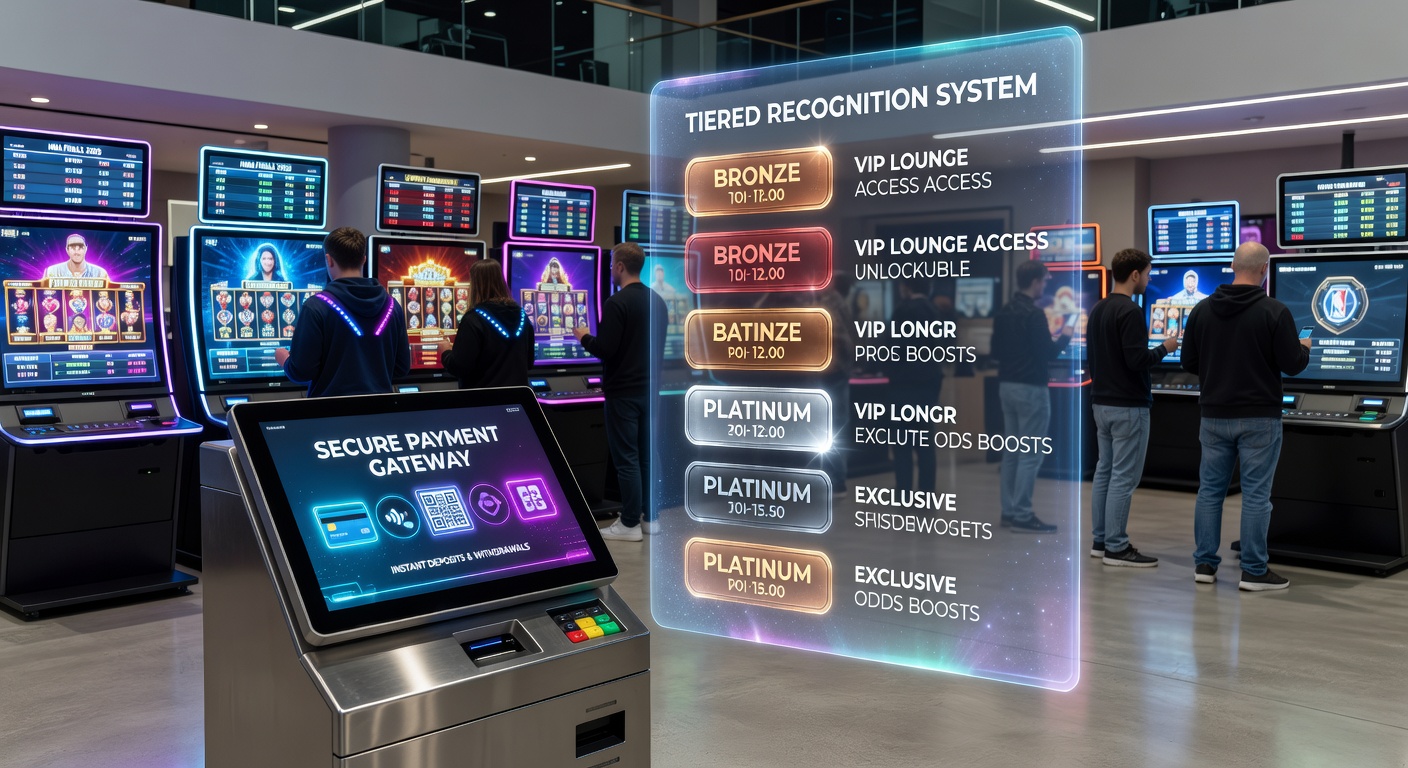
Electronic gaming halls and platforms for athletic outcome speculation have seen payment processing systems merge with structured recognition programs in ways that alter how participants move through various status levels. These developments connect real-time fund transfers to automated tier advancements, where transaction data directly feeds into algorithms that calculate eligibility for benefits across slot machines, table games, and event-based wagers. Industry observers note that such integrations reduce delays between deposits and reward activations, creating pathways where volume of activity in one area accelerates recognition in others.
Payment Gateways and Their Role in Status Progression
Modern financial gateways employ API connections that link directly to loyalty databases maintained by operators in both land-based and digital settings. When a user completes a deposit or withdrawal, the system logs the amount and frequency, then cross-references this information against predefined thresholds for bronze, silver, gold, or platinum designations. This process occurs without separate manual submissions, as the gateway transmits metadata such as payment method type and regional compliance flags to the recognition engine. Data from multiple jurisdictions shows these automated flows have expanded since early 2025, with particular growth in markets where mobile access dominates daily interactions.
Operators in North America have documented cases where instant bank transfers trigger immediate point credits that push users across tier boundaries mid-session. Similar patterns appear in Asian markets, where digital wallet partnerships allow seamless currency conversions that count toward cumulative spend metrics. The American Gaming Association has tracked these trends through aggregated operator reports, highlighting how payment speed correlates with higher retention rates within elevated recognition brackets.
Integration Patterns Across Casino Floors and Sports Prediction Platforms
Electronic gaming halls utilize these combined systems to manage access to private areas, customized game libraries, and dedicated support channels based on verified transaction histories. Athletic outcome speculation platforms apply the same logic to odds adjustments, parlay multipliers, and cash-out options that become available only after users reach specific activity milestones. The intersection appears most clearly in unified accounts where a single profile tracks both casino play and sports wagers, allowing cross-category contributions to the same tier status. Researchers examining platform architectures have identified shared backend protocols that synchronize payment confirmations with loyalty ledgers in under three seconds on average.
One documented implementation involves progressive unlocking where initial deposits establish baseline tiers, while subsequent rapid transactions during live events elevate status further. This creates situations in which participants engaged in athletic forecasts receive tier-based insurance on losing positions after meeting volume targets set by the gateway. In May 2026, several operators reported measurable increases in cross-platform activity following updates to these synchronized systems.
Regional Developments and Data Trends
North American markets continue to refine these intersections through state-level regulations that require transparent audit trails for both funds movement and tier calculations. Canadian provincial frameworks have introduced standards for data sharing between payment processors and gaming authorities to verify fair application of recognition benefits. In contrast, Singapore's integrated resort sector applies similar technology under centralized oversight that emphasizes responsible transaction monitoring alongside tier progression tracking.
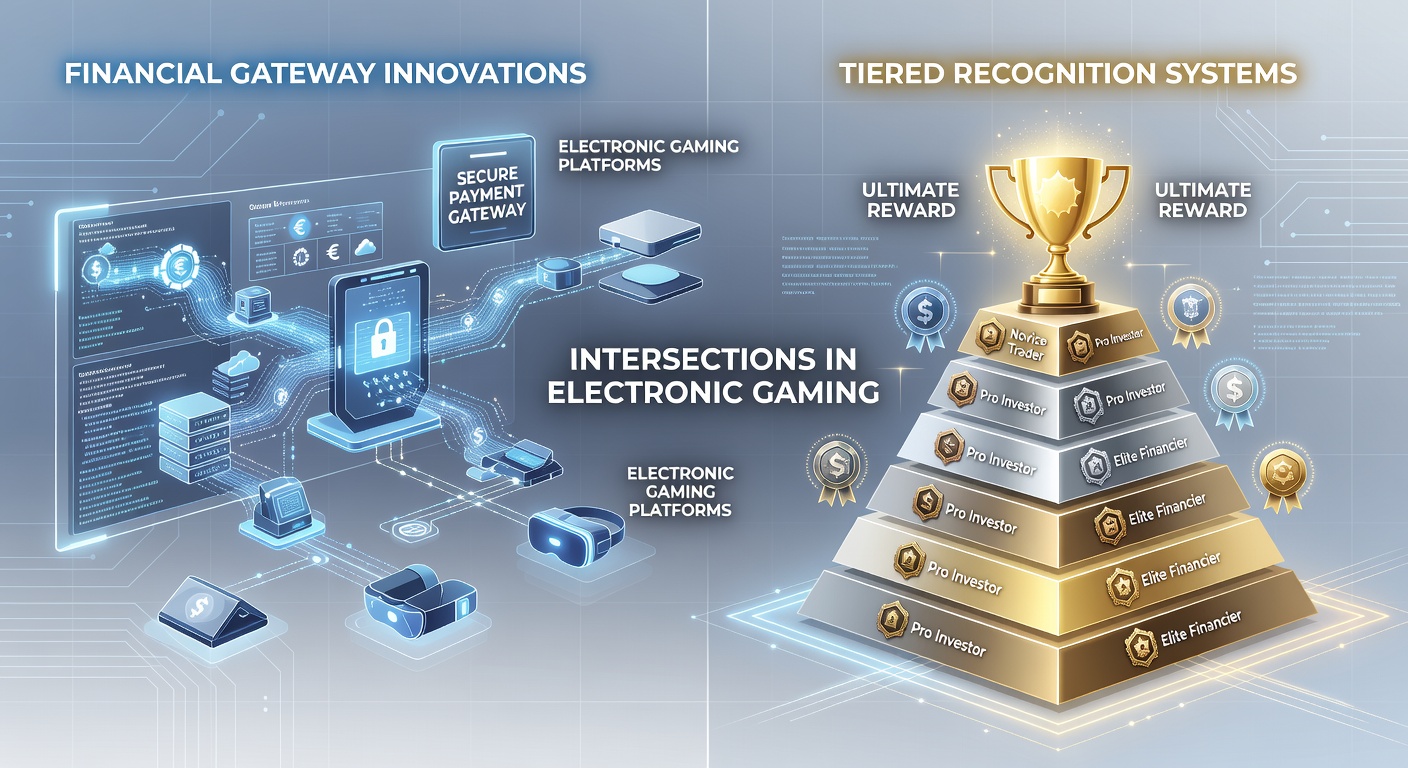
European operators outside the United Kingdom have explored comparable models, with certain jurisdictions requiring disclosures about how gateway data influences loyalty algorithms. Academic studies from institutions in Australia have examined user behavior patterns where faster payment options lead to accelerated tier climbs, particularly among those combining casino sessions with sports event predictions. These findings indicate consistent correlations between gateway efficiency and sustained engagement across recognition levels.
Technical Mechanisms Behind the Convergence
Blockchain-based verification layers now supplement traditional gateways in select environments, providing immutable records of transactions that feed directly into tier assessment protocols. Smart contracts execute automatic status updates when cumulative values hit predetermined marks, eliminating intermediary reviews in many routine cases. This approach appears in both electronic gaming halls handling high-volume slot activity and platforms focused on athletic outcome speculation where live betting volumes fluctuate rapidly. Observers note that such technical bridges maintain compliance logs while delivering near-instant feedback to users regarding their current recognition standing.
Security protocols within these systems incorporate multi-factor authentication tied to payment instruments, ensuring that tier benefits activate only after verified fund movements. Fraud detection modules scan transaction patterns in real time and may temporarily hold tier advancements pending additional confirmation, a practice reported across multiple operator networks during 2026.
Conclusion
The ongoing convergence of financial gateway innovations with tiered recognition systems continues to shape operational frameworks in electronic gaming halls and athletic outcome speculation environments. Transaction data now serves as the primary driver for status determinations, supported by technical standards that prioritize speed and auditability. Regional regulatory approaches vary yet consistently address the need for clear linkages between payment activity and recognition outcomes. Available data through May 2026 reflects sustained development in these integrated processes across major markets.